
The First Fly Shops – How They Shaped the Sport and the Oldest Shops Still Thriving Today
- The Fly Box LLC

- Mar 11, 2025
- 4 min read
This article is part of Casts That Care, our fly fishing charity newsletter. Casts That Care donates 50% of every subscription to a different fly fishing nonprofit each month, supporting conservation efforts, veterans, and at-risk youth through the sport we love.
This is part of our free newsletter, which drops every Tuesday, Thursday, and Sunday at noon—but if you want daily fly fishing news, industry insights, and stories delivered straight to your inbox, Subscribe Here!
Introduction
Fly shops are more than just retail stores—they are the backbone of fly fishing culture. From supplying high-quality gear to educating anglers and preserving conservation ethics, these establishments have shaped the sport in ways that continue to impact fly fishing today. But where did fly shops originate? Who were the pioneers? And which legendary fly shops are still thriving today?
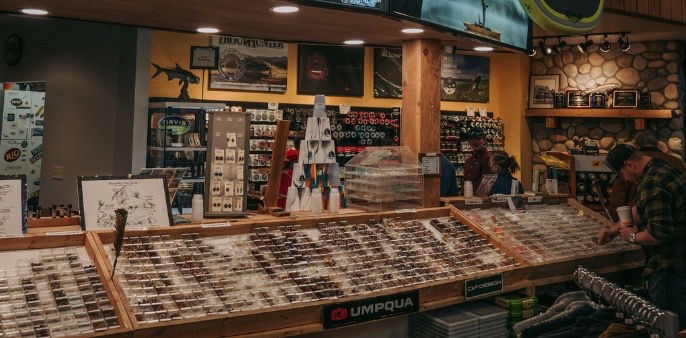
This article explores the history of the first fly shops in America, their lasting influence, and how they’ve adapted to survive in the modern era of online retail and big-box competition.
Orvis
The First and Oldest Fly Shop in America

Founded: 1856
Location: Manchester, Vermont (Headquarters), now with retail locations nationwide
Legacy: The first American fly fishing brand, known for pioneering mail-order catalogs and advancing fly reel designs
Founded in 1856 by Charles F. Orvis in Manchester, Vermont, Orvis is the oldest fly shop in the United States and remains one of the most influential brands in the sport. Orvis revolutionized fly fishing retail by creating the first mail-order catalog for fly fishing gear, allowing anglers across the country to access high-quality equipment.
Orvis also set the standard for modern fly reel design with the introduction of the ventilated fly reel, which remains a fundamental part of modern gear. Charles's daughter, Mary Orvis Marbury, played a significant role in shaping fly fishing knowledge, publishing "Favorite Flies and Their Histories" (1892)—a landmark reference book that documented the most popular fly patterns of the era.

Where It Stands Today: Orvis has evolved from a small family business into a global brand with retail locations across the U.S. and U.K., offering a wide range of outdoor gear. The company remains deeply committed to fly fishing conservation, donating millions to environmental causes and running one of the most respected fly-fishing schools in the country.
Dan Bailey’s Fly Shop
Bringing Fly Fishing to Montana’s Yellowstone Waters

Founded: 1938
Location: Livingston, Montana
Legacy: One of the first fly shops in the Western U.S., helped establish Montana as a fly-fishing mecca
Dan Bailey’s Fly Shop, founded in 1938 in Livingston, Montana, was instrumental in turning Montana into a world-class fly fishing destination. Dan Bailey, a former physics teacher, was passionate about fly fishing and dedicated his life to crafting innovative fly patterns suited to the waters of the Yellowstone region.
The shop became a hub for anglers looking to explore Yellowstone National Park and the Yellowstone River, supplying high-quality, locally tied flies. Bailey was also a strong conservation advocate, helping to establish Trout Unlimited chapters and promote catch-and-release fishing.

Where It Stands Today: Dan Bailey’s Fly Shop remains one of the most historic and respected fly shops in the country. It continues to serve as a critical resource for anglers heading into Yellowstone National Park, upholding its founder’s commitment to high-quality gear, local fly tying, and conservation ethics.
Parks’ Fly Shop
The Humble Gateway to Yellowstone
Founded: 1953
Location: Gardiner, Montana
Legacy: The longest-running family-owned fly shop in the Yellowstone area
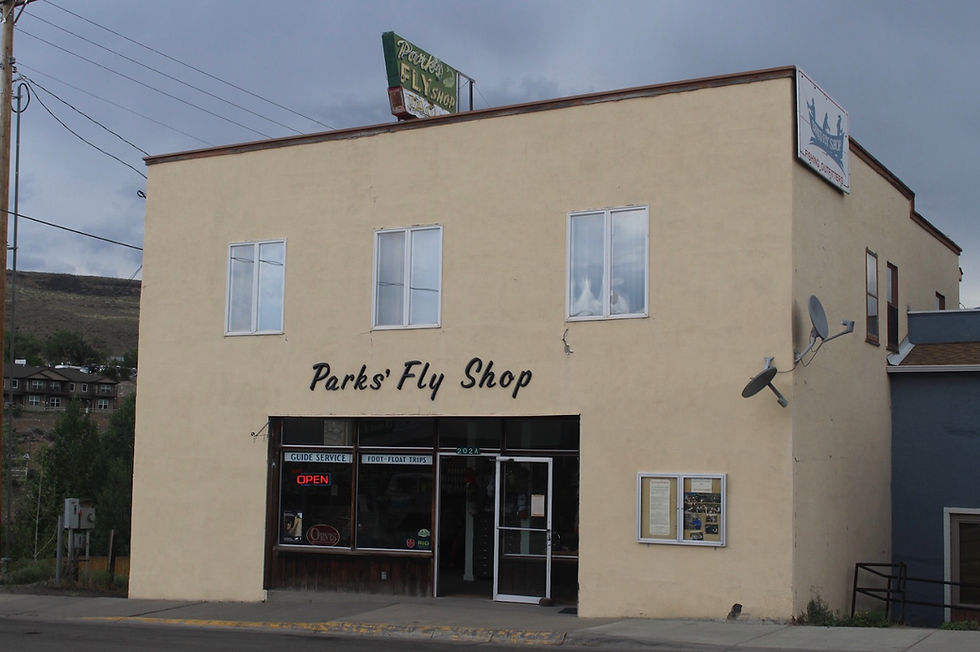
Founded in 1953 by Merton Parks, Parks’ Fly Shop holds the distinction of being the oldest continuously family-run fly shop near Yellowstone National Park. Located in Gardiner, Montana, right at the North Entrance to Yellowstone, this shop has been the go-to spot for anglers visiting the park’s famous waters.

Merton Parks was a pioneer in custom fly tying, designing patterns specifically tailored for the unique insect hatches and waters of Yellowstone. His son, Richard Parks, carried on the tradition, authoring "Fishing Yellowstone National Park," one of the definitive guidebooks on the area’s fly fishing history.
Where It Stands Today: Parks’ Fly Shop remains an essential stop for anglers heading into Yellowstone. While it has modernized, the shop still operates with a deep respect for tradition, focusing on locally tied flies, expert advice, and historical knowledge of the region’s fisheries.
The Evolution of Fly Shops and Their Lasting Impact
The early fly shops in America did more than just sell gear—they shaped the culture and traditions of the sport. These shops played three key roles in fly fishing history:

1. They Created Local Fly Tying Innovations
Each region has its own unique insect hatches, and the first fly shops played a crucial role in developing and refining local fly patterns. Many of the fly patterns still used today originated in these historic fly shops.
2. They Established Fly Fishing Destinations
Shops like Dan Bailey’s and Parks’ Fly Shop helped turn Montana and Yellowstone into world-famous fly fishing locations, drawing anglers from around the world.
3. They Championed Conservation and Ethical Fishing
From Trout Unlimited’s early conservation efforts to promoting catch-and-release practices, historic fly shops played an enormous role in shaping modern conservation ethics in fly fishing.
How Fly Shops Compete in the Digital Age
Despite the rise of online retailers like Amazon and big-box stores like Bass Pro Shops, independent fly shops have continued to survive and thrive by offering personalized service, local knowledge, and high-quality fly tying. Today’s most successful fly shops balance tradition with modern business practices, offering online ordering while maintaining their in-store community presence.
Conclusion
Fly shops are more than just tackle stores—they are the heart and soul of fly fishing. The oldest and most legendary fly shops have played a crucial role in shaping the sport, from pioneering new fly patterns to championing conservation ethics. Whether you’re stopping at a historic shop in Montana or visiting Orvis’s flagship store, these businesses continue to be a vital part of fly fishing’s past, present, and future.
This article is part of Casts That Care, our fly fishing charity newsletter. Casts That Care donates 50% of every subscription to a different fly fishing nonprofit each month, supporting conservation efforts, veterans, and at-risk youth through the sport we love.
This is part of our free newsletter, which drops every Tuesday, Thursday, and Sunday at noon—but if you want daily fly fishing news, industry insights, and stories delivered straight to your inbox, Subscribe Here!


Comments