
Florida Farm Bill 433, Vol. 3: What Happens Next and How to Fight It
- The Fly Box LLC

- Feb 6
- 4 min read
This feature was written by The Fly Box and published in Casts That Care, our charity-driven fly fishing newsletter.
Casts That Care delivers real stories, deep dives, and the heart of the fly fishing world while donating 50 percent of all subscription fees to a different fishing-related nonprofit each month. For February, those funds will support Her Waters, Inc.
By now, you’ve heard what Florida House Bill 433 and Senate Bill 290 are really about.
Vol. 1 broke down what’s inside the bills. Vol. 2 covered how they threaten free speech and environmental advocacy.
Now it’s time to talk about where these bills go from here, what history says about laws like this, and what Floridians, especially those who fish, guide, and protect our waters, can do before it’s too late.

Where the Bill Stands Now
As of February 4th, HB 433 passed out of the Agriculture & Natural Resources Budget Subcommittee and is now in the State Affairs Committee. That means it cleared one big hurdle in the House.
SB 290 is still moving through Senate committees.
These bills are not law yet, but they are close enough that the next few weeks matter.
Expect hearings. Expect votes. Expect pressure from lobbyists on both sides.
This is the window where public response can make or break it.
What the Bill’s Supporters Are Saying
Agriculture Commissioner Wilton Simpson, who once ran Florida’s largest egg farm, has publicly supported the bill. He says the goal is to protect farmers from harmful misinformation.
Supporters argue the bill protects agricultural jobs, landowners, and the state’s food economy.
But they aren’t talking about the risks to conservation. Or the way this language could be used to silence scientists, citizens, or guides who raise legitimate concerns.
What History Says About Laws Like This
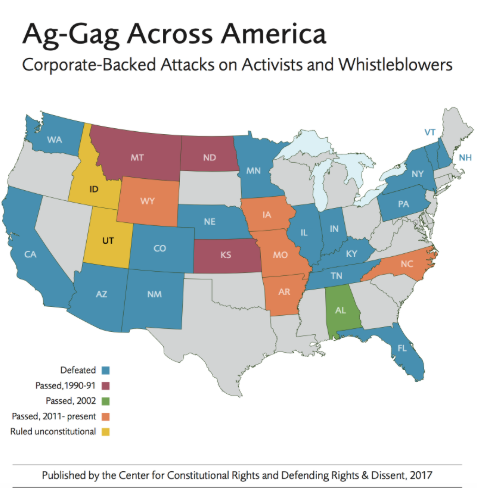
Florida is not the first state to propose a law like this. Versions of agricultural gag laws, often called “ag-gag” or food disparagement laws, have been passed in places like Texas, Idaho, North Dakota, and even Georgia.
In many of those states, the laws were eventually challenged in court. And in many cases, courts ruled that they violated the First Amendment.


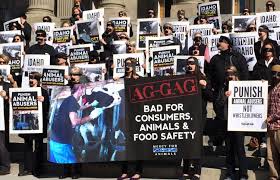
Previous Ag-Gag Protests
In Idaho, a law that criminalized undercover documentation of farm conditions was overturned in 2015. A federal judge ruled it unconstitutional, saying it violated free speech and equal protection.
Texas passed a food libel law in the 1990s that allowed companies to sue for statements made against agricultural products. While rarely used, the law drew national attention when Oprah Winfrey was sued in 1998 after a segment on mad cow disease. Oprah won, but the case itself showed how these laws can be used to intimidate and silence high-profile critics.
North Dakota and other states passed laws that allowed lawsuits based on vague claims of economic harm. These laws have not held up well in court either, especially when they attempt to define “truth” around complex environmental and scientific issues.
Even when the laws don’t survive, the damage they cause is real. The fear of lawsuits can chill speech long before any judge gets involved. The threat becomes a tool to silence opposition and discourage public dialogue.
What This Means for the Water Community
If you care about clean water, this is not just a legal issue. It is a conservation issue.
Most of Florida’s water fights, from stopping discharges to fighting algae blooms, started with regular people speaking out. Photos. Testimony. Reports. Journalism.
This bill puts all of that at risk. Even if you win in court, the financial and emotional cost could shut people down.
Guides who post about algae. Scientists who publish studies. Citizens who show up at public meetings. That’s who this bill targets.

What You Can Do
1. Speak now, before the bill becomes law. Contact your state representatives. Call. Email. Show up. Let them know you see what’s happening.
2. Support organizations on the front lines. Groups like Captains for Clean Water, Everglades Trust, and the First Amendment Foundation are already fighting back.
3. Share this series. If people don’t know what’s in the bill, they can’t act. Help spread the word in your voice, on your platform, to your crew.
4. Stay loud. Stay visible. This isn’t about picking a political side. It’s about protecting your right to speak up when something threatens the waters you fish.
Final Word
Bad laws don’t always come with flashing lights. Sometimes they’re buried in the middle of agriculture bills.
But when they threaten clean water, open speech, and public accountability, they have to be called out.
We hope this series helped make the stakes clearer. Now it’s up to all of us to keep the pressure on.
For the water. For the right to protect it. For the people who cast because they care.
This feature was written by The Fly Box and published in Casts That Care, our charity-driven fly fishing newsletter.
Casts That Care delivers real stories, deep dives, and the heart of the fly fishing world while donating 50 percent of all subscription fees to a different fishing-related nonprofit each month. For February, those funds will support Her Waters, Inc.


Comments