
Sunday Cast Opinion Column: Native VS Wild: Let the River Decide

Sunday Cast — An opinion piece by Kevin Wolfe
A Wild Confusion
In the U.S., we really love wild trout. We romanticize them. We write essays about them. We name our dogs after them. And more than anything, we like to say “wild” as if it means “right.”
But here’s where it gets muddy: wild doesn’t mean native.
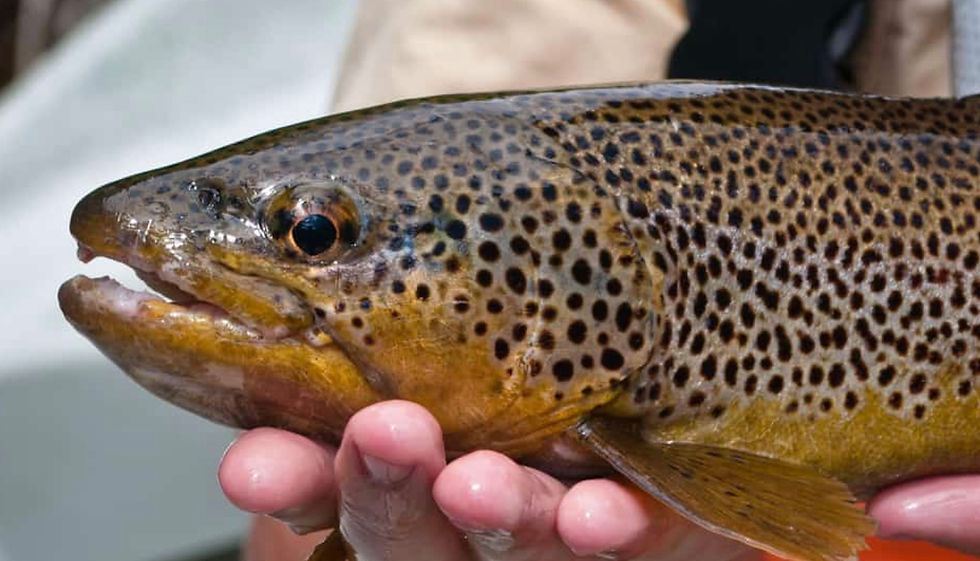
A wild brown trout in Colorado might be the fifth generation born in that stream, feeding on native bugs, dodging herons, and outsmarting anglers. But technically? It’s still a European transplant. A rainbow in Georgia? West Coast visitor. And a brook trout in Montana might’ve been stocked in from the East. So what’s the label we slap on these fish?
“Non-native.”

And yet… I doubt the fish care.
Trout don’t sit around saying, “Well, I’m technically a quarter Bavarian and half Scottish stock.” They don’t trace their lineage back to Loch Leven. They either survive in a river or they don’t. In that way, they’re more American than most Americans. If they’re born here, they are from here. They don’t self-identify as Irish-German-Appalachian—they just swim.
Opinion:
If a trout species has lived wild in a river for generations, thriving, reproducing, and surviving, why do we still cling to labels like "non-native" as if they tell the whole story? Have we been asking the wrong question?
Wildness Over Lineage
We’re quick to celebrate wild trout over stocked ones. Rightly so. Wild fish are harder to catch, more beautiful, more in tune with the system around them. We call them indicators of river health. But the second we hear “non-native,” the conversation shifts—like their existence is somehow an ecological mistake.

Here’s the reality: nature adapts faster than we do. And rivers don’t read stocking reports. If a species can hold in a system for generations without intervention—if it feeds naturally, reproduces consistently, and fits into the food web—then what exactly are we trying to undo?
Belonging vs. Bureaucracy
Yes, some rivers should be restored with native fish. Absolutely. Cutthroat recovery in the West, brook trout in the Appalachians... those are important. But in many other systems, the story is more complicated.

We have places where stocked “native” brookies are failing to hold, while wild browns thrive. Or places where rainbows are vilified for “taking over,” despite being born wild and contributing stability to the river... don't even get me started on bull trout out west
If that sounds controversial—it shouldn’t. It just sounds honest.
Let the River Speak
This isn’t about turning our backs on native species. It’s about acknowledging that native isn’t always the same as working.
A river full of wild fish—regardless of origin—is often healthier than one full of hatchery fish of the “right” species. And protecting that wildness means being willing to ask hard questions.
What do we value more: legacy or functionality?
Would we rather have rivers full of “native” fish that need constant stocking—or self-sustaining populations that are truly part of the ecosystem now?
Final Cast
Trout don’t carry passports. They don’t know they’re non-native. They either belong in a system or they don’t. Maybe it’s time we stop looking at species like they’re resumes we have to vet—and start judging them by how well they’ve adapted to their home.
Because for a fish born wild in an American river, dodging predators, eating bugs, and living free… what else do we really want?
Let the river decide.


Comments