
Last Call: Roadless Rule Comments Close Today, What It Means for Fly Fishers
- The Fly Box LLC

- Sep 19, 2025
- 3 min read
This piece is part of Casts That Care, our daily fly fishing newsletter. Each subscription helps support fly fishing charities, with 50% of fees donated every month. Join us Here!
What Is the Roadless Rule?
The Roadless Area Conservation Rule was established in 2001 to protect about 58 million acres of national forest lands from new road construction and large-scale logging. These lands make up some of the most intact ecosystems in the country. They include vital watersheds, old-growth forests, and habitat for fish and wildlife.

For fly fishers, these lands often mean cold, clear headwater streams, salmon spawning grounds, and backcountry trout fisheries that remain largely untouched. They are places where wildness still rules and where fly fishing connects us directly to intact landscapes.
The U.S. Department of Agriculture (USDA) is now moving forward with a proposal to rescind the Roadless Rule entirely. That would hand management decisions back to regional forest supervisors, who could authorize roads, logging projects, and infrastructure on lands previously protected. Today, September 19, 2025, is the final day to submit public comments on the scope of the Environmental Impact Statement that will guide this process.
What’s at Stake for Watersheds and Fisheries
Road building is more than just cutting paths through the forest. Roads create long-lasting scars that affect rivers, fish, and water quality.

Sedimentation: Soil erosion from road construction washes into rivers, choking spawning gravels where salmon and trout lay eggs.
Stream Temperatures: Removing trees for roads and logging can expose waterways to more sun, raising temperatures beyond what native fish can tolerate.
Habitat Fragmentation: Roads break apart intact habitats, leading to culverts and barriers that block fish passage.
Water Quality: Increased runoff leads to degraded water, making rivers less suitable for both fish and anglers.
These impacts are particularly concerning in places like Alaska’s Tongass National Forest, known as “America’s Salmon Forest,” and the Chugach National Forest near Anchorage. Both provide critical spawning and rearing habitat for Pacific salmon, which in turn support local economies, indigenous communities, and a global destination fishery.
The Broader Context
Supporters of rescinding the rule argue it allows local control and more flexibility in addressing issues like wildfire risk or forest health. They say that a one size fits all federal rule limits management tools.
Opponents, including many conservation groups, fishing organizations, and tribal leaders, warn that removing protections threatens the long-term health of forests and watersheds. Once a road is cut, the impacts often last decades, outliving the short-term economic gains of timber harvests.

Fly fishers have a unique perspective here. We see firsthand how access, water quality, and habitat health translate into the quality of our fisheries. Losing intact roadless areas does not just affect fish, it affects communities that rely on recreation, guiding, and tourism tied to wild waters.
Today’s Deadline
September 19 marks the final day of the USDA’s public scoping comment period. This is the stage where the agency decides what to study and analyze in its Environmental Impact Statement. Once the record closes tonight, the next step is months of review, drafting, and decision-making. The outcome will shape how millions of acres of national forest are managed in the future.
If the Roadless Rule is rescinded, the effects will not happen overnight. But decisions about where to allow roads and logging could begin as soon as the rule is finalized, potentially opening the door to significant changes across the country.
What You Can Do Right Now
Submit a Comment: Share your voice as a fly fisher. Emphasize the streams, watersheds, and fisheries you rely on. Stress the connection between intact forests and healthy fish. Comments close tonight.
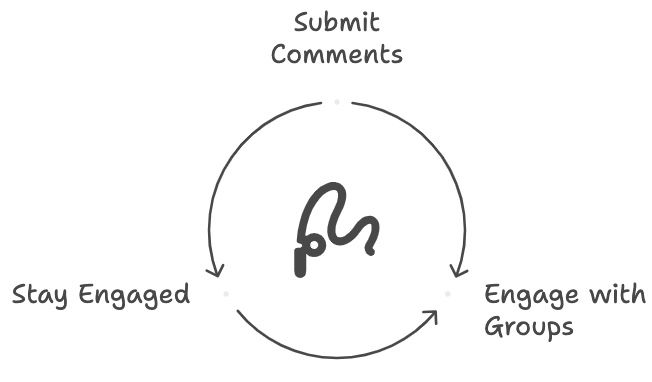
Engage With Conservation Groups: Groups like Trout Unlimited, Backcountry Hunters & Anglers, and regional nonprofits are mobilizing. Supporting them strengthens the collective message.
Stay Engaged: This is only the first step. Local forest plans will follow, and that is where specific rivers and watersheds could be directly affected.
Why It Matters
For fly fishers, the Roadless Rule has always been more than paperwork. It represents a promise that some of the last, best wild places will remain intact. Whether you fish for salmon in Alaska, brook trout in the Appalachians, or cutthroat in the Rockies, the health of these fisheries is tied to how we manage the forests around them.
The decision now before the USDA will determine whether those protections endure or whether the door opens to roads, logging, and fragmented watersheds.
🎣 Read more daily fly fishing news, conservation updates, and community stories inside Casts That Care, where your subscription also supports a different fly fishing charity every month. Join Us Here!


Comments