
Labor Day & Fly Fishing: An Unexpected Yet Rich Historical Tie

The Birth of Leisure Time
As summer winds down and the long weekend approaches, anglers across the country prepare for what has become one of the most symbolic moments of the season... the Labor Day cast. On the surface, the holiday may seem like nothing more than an extra day to spend on the water. But woven into its history is a surprising connection between labor, leisure, and the growth of fly fishing as an American tradition.
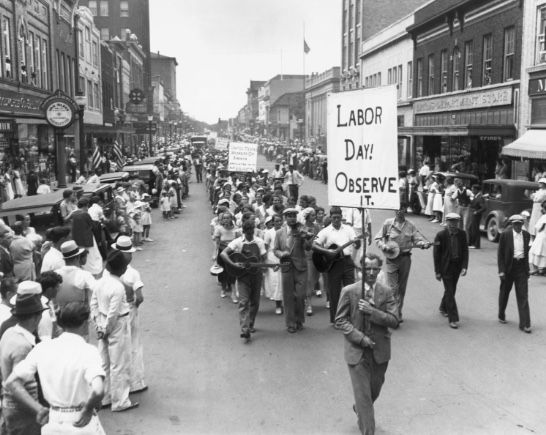
Labor Day emerged in the late nineteenth century out of the struggles of industrial workers who fought for shorter hours and humane working conditions. The push for the eight-hour workday, Saturday half-holidays, and the right to rest created something revolutionary: leisure time. Before these reforms, fishing for most people meant sustenance, catching food to survive. With time off finally secured, working families could venture out for recreation, and activities like fly fishing, once confined to elites and wealthy clubs, began to spread to a much wider public.
A Holiday for Workers and Families
The holiday was first celebrated in 1882 and became a federal observance in 1894, both as a tribute to the achievements of workers and as a recognition of their right to enjoy life beyond the factory floor. Over the decades, the first Monday in September became “summer’s swan song,” a moment for families to escape crowded cities, head for the countryside, and spend time by rivers and lakes. For fly fishers, it became a weekend to step away from the noise of labor and into the rhythm of moving water.
The Rise of Fly Fishing in America

This shift in American culture coincided with the rise of fly fishing itself. The earliest angling societies had already taken root, such as the Schuylkill Fishing Company of Pennsylvania, founded in 1732. By the mid-nineteenth century, books like The American Angler’s Book introduced a growing audience to the techniques, patterns, and culture of fly fishing. As industrial labor reforms gave workers more freedom, these traditions were no longer confined to the privileged few. Fly fishing became part of the expanding world of leisure, accessible, aspirational, and deeply tied to the landscape.
Escaping to the Outdoors
Labor Day weekend offered something even greater: a chance to reconnect with nature. In cities where pollution and industry defined daily life, rivers were often buried, dammed, or spoiled. A rare day off meant an opportunity to travel outward, to clear streams and open air, to find the kind of peace that could not exist in the shadow of smokestacks. Families built traditions around these escapes, and many anglers still consider the holiday their “last cast of summer,” a final trip before the shorter days of autumn arrive.

Conservation as a Labor of Love
There is also another layer to this story, the labor that sustains the fisheries themselves. The rivers and fish we enjoy today endure because of the tireless work of guides, volunteers, and conservation groups. From stream cleanups to restoration projects and hatchery programs, generations have dedicated themselves to protecting the resource. Their efforts represent a different kind of labor, one born not of obligation but of passion, and one that ensures future generations can find the same solace in casting a fly line. In many ways, this spirit of stewardship mirrors the original purpose of Labor Day, recognizing the dignity of work and its role in shaping a better life.
The Legacy
The legacy of Labor Day and fly fishing is inseparable. Both grew out of a fight for freedom, freedom from endless toil, freedom to explore the natural world, and freedom to pursue joy on one’s own terms. Today, when an angler steps into a stream over the holiday weekend, they are taking part in a tradition that honors not just the end of summer, but the hard-earned right to rest, to wander, and to cast a line into history.


Comments