
Fly Fishing Myths You Should Stop Believing

Fly fishing has been around for centuries, and with its long history comes plenty of myths and misconceptions. Whether you’re a beginner or a seasoned angler, chances are you’ve heard at least a few of these falsehoods. Unfortunately, these myths can sometimes discourage people from trying fly fishing or prevent anglers from improving their skills. Today, we’re setting the record straight. Here are some of the biggest fly fishing myths—and the truth behind them.
Myth 1: You Can Only Fly Fish for Trout

While trout may be the poster fish of fly fishing, they’re far from the only species you can target. From bass and pike to saltwater giants like tarpon and permit, fly fishing is incredibly versatile. In fact, some of the most exciting fly fishing experiences happen in saltwater environments where you’re chasing fast, aggressive fish. Whether you're in a mountain stream or a tropical flat, fly fishing is about technique, not just the species.
Myth 2: You Need Expensive Gear to Be Successful
High-end rods and reels have their benefits, but fly fishing isn’t about who has the most expensive setup. A $200 rod and reel combo can catch just as many fish as a $1,000 setup if you know what you’re doing. Skill, technique, and understanding the water matter far more than the price tag on your gear. If you invest in learning proper casting, fly selection, and fish behavior, you can be highly successful without breaking the bank. Additionally, many affordable brands now offer quality gear with lifetime warranties, making it more accessible than ever.
Myth 3: Fly Fishing Is Too Complicated for Beginners
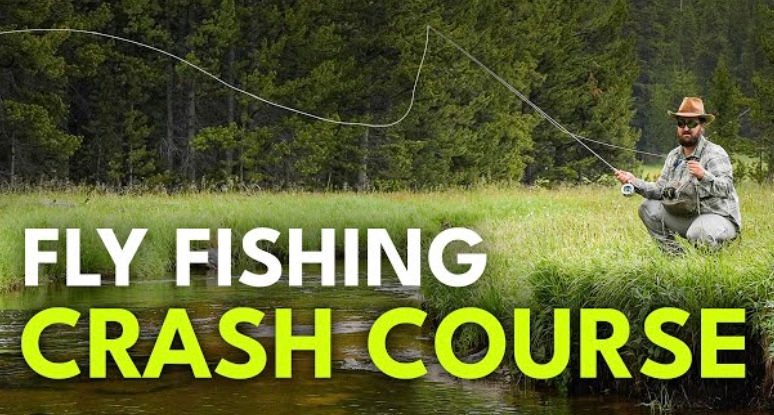
Fly fishing has a learning curve, but it’s not as intimidating as some people make it out to be. With the right instruction and a little patience, anyone can pick it up. Start with the basics—simple knots, casting techniques, and reading the water—and you’ll be catching fish before you know it. Many beginner-friendly setups now include pre-rigged fly lines and easy-to-follow tutorials, making it easier than ever to get started. Plus, the fly fishing community is welcoming, and many anglers are more than happy to help newcomers.
Myth 4: You Have to Fish Dry Flies
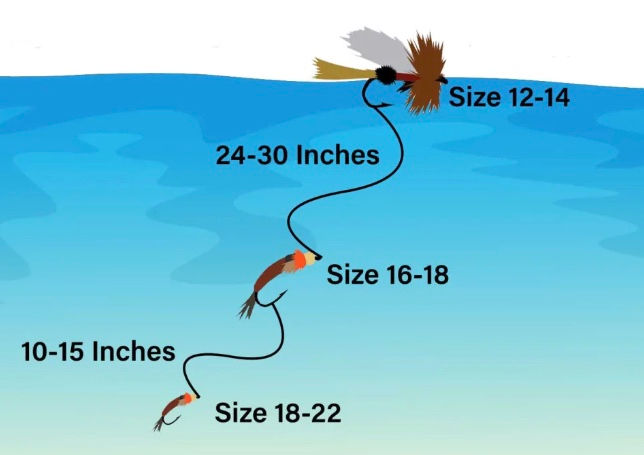
When people think of fly fishing, they often picture someone casting a dry fly to a rising trout. But dry flies are just one piece of the puzzle. Nymphs, streamers, and wet flies are equally effective—if not more so in certain conditions. In fact, most trout spend the majority of their time feeding underwater, making nymphing one of the most productive methods. If you only use dry flies, you could be missing out on opportunities to catch more fish.
Myth 5: Fly Fishing Is a Rich Man’s Sport
While some aspects of fly fishing can get pricey, getting started doesn’t have to break the bank. Many budget-friendly gear options exist, and plenty of public waters offer incredible fishing without expensive guide fees or private access costs. You don’t need to take exotic trips or buy luxury gear to enjoy the sport. Some of the best fishing can be found in local rivers, lakes, and even urban streams. With the right knowledge and some creativity, fly fishing can be one of the most cost-effective ways to enjoy the outdoors.
Myth 6: The Longer the Cast, the Better

A long, tight loop might look impressive, but most fish are caught within 30 feet of the angler. Accuracy and presentation are far more important than distance. A well-placed short cast will outfish a sloppy long cast any day of the week. Many anglers focus too much on distance when they should be working on making their casts more precise. Learning how to mend your line, control your drift, and present the fly naturally will make a much bigger difference in your success.
Myth 7: Barbed Hooks Catch More Fish
Many anglers believe that barbed hooks help land more fish, but in reality, they often cause more harm than good. Barbless hooks penetrate more easily and are easier to remove, reducing damage to the fish. With proper technique, you won’t lose more fish using barbless hooks—and you’ll be doing them a favor. Many catch-and-release fisheries even require barbless hooks to protect fish populations. Plus, barbless hooks are easier to remove if you accidentally hook yourself!
Myth 8: Fly Fishing Is Only for Remote, Pristine Waters

While images of crystal-clear mountain streams are iconic, you don’t have to travel to the wilderness to fly fish. Urban rivers, ponds, and even roadside ditches can hold fish willing to take a fly. If you have water nearby, chances are there’s a fly fishing opportunity waiting. Some of the most exciting fishing happens in unexpected places—under bridges, in suburban ponds, and in rivers running through major cities. Don’t overlook local opportunities just because they don’t fit the stereotypical image of fly fishing.
Myth 9: You Can Only Fly Fish in Certain Seasons
Fly fishing isn’t just a spring and summer activity. Many species feed year-round, and winter fly fishing can be incredibly rewarding. With the right gear and techniques, you can catch fish on the fly in any season, whether it’s a snowy trout stream or a warm saltwater flat. Cold-weather fishing does require some adjustments, like layering up for warmth and using slower retrieves, but the rewards can be well worth it. Some of the biggest fish of the year are caught when other anglers stay home.
Final Thoughts
Fly fishing is surrounded by myths that can make it seem intimidating or exclusive. But in reality, it’s an accessible, rewarding, and incredibly fun way to fish. With modern advancements in gear, instruction, and conservation, fly fishing has never been easier to get into. Don’t let outdated misconceptions hold you back—grab a rod, hit the water, and experience the thrill of fly fishing for yourself.


Comments