
Fly Fishing 2025 Timeline: The Year The Sport Was Forced To Pay Attention
- The Fly Box LLC

- Dec 23, 2025
- 7 min read
This FREE feature is brought to you by Casts That Care. Casts That Care is the daily fly fishing charity news published by The Fly Box LLC, sharing real stories, conservation updates, and community features that give back to the waters we love.
If you enjoy this piece, you can read over 300 more articles plus new ones every day and subscribe here. Each month we donate 50 percent of all subscriptions to a different fly fishing charity.

A Year That Refused to Stay Simple
Fly fishing has never existed in isolation.
It has always depended on public land, healthy water, functional retail, strong conservation policy, and a culture willing to protect what it loves. In 2025, all of those systems were tested at once.
This was not a year defined by one single headline. It was defined by accumulation business shifts, access battles, climate pressure, competitive milestones, and cultural change that forced fly fishing to look beyond the riverbank.
What follows is a detailed, month-by-month account of what actually happened in fly fishing in 2025 not theory, not hype, and not nostalgia but the real events that shaped the sport.
Late 2024
The Ground Starts to Shift
As 2024 came to a close, the fly fishing industry entered a period of quiet uncertainty.
Vista Outdoor formally announced its plan to split the company, setting the stage for brand realignments that would directly affect fly fishing. Simms Fishing Products, already part of Vista’s portfolio, was positioned to move under new ownership as part of that restructuring.
At the same time, brick-and-mortar fly shops across the country continued to feel pressure from rising costs, tighter margins, and changing consumer behavior. None of this made headlines yet but the conditions were in place.
January 2025
Ownership Changes and a Meaningful Access Win
January marked the moment when industry shifts became impossible to ignore.
Simms Fishing Products officially transitioned under private equity ownership following Vista Outdoor’s sale of its outdoor products group. While ownership changes had occurred before, this move represented a deeper integration into a profit-driven structure that would influence pricing, distribution, and long-term brand strategy.
For the fly fishing world, the concern was not ideological. It was practical: warranties, dealer relationships, product consistency, and whether a legacy brand could maintain its identity under financial pressure.

On the policy front, January delivered a quiet but significant win for anglers.
The EXPLORE Act was signed into law, strengthening outdoor recreation planning, improving access information, and modernizing how federal agencies manage trails, river access points, and recreation infrastructure. While not fly-fishing-specific, the law directly affects anglers by improving transparency and long-term access planning across public lands.
February 2025
Records Fall and the Fly Fishing Map Expands
Winter produced some of the year’s most boundary-pushing fishing stories.
Fly anglers continued setting records in saltwater and offshore environments, landing species traditionally associated with conventional tackle. Triggerfish, tuna, and other pelagic species reinforced a trend that had been building for years: fly fishing is no longer confined by tradition or geography.

At the same time, international fly fishing travel surged. Destinations like New Zealand, Patagonia, the Caribbean, and remote Pacific islands saw strong bookings, reflecting a growing segment of anglers willing to travel farther and pay more for singular fishing experiences.
Fly fishing was no longer just expanding. It was globalizing.
March 2025
Early Signs of Environmental Pressure
March did not bring a single dominant headline, but it revealed a pattern that would define the rest of the year.

Across the American West, snowpack levels tracked below historical averages, prompting early concern among fisheries managers. Runoff timing projections shifted earlier, and agencies began discussing the possibility of heat-related restrictions months before summer normally arrives.
This was not yet a crisis. But it was the first clear signal that 2025 would test rivers long before peak season.
April 2025
Spring Optimism, Uneasy Forecasts
April is usually a month of optimism in fly fishing, and 2025 was no exception but the optimism came with caveats.
In Alaska, preseason forecasts pointed toward another strong Bristol Bay sockeye return, reinforcing decades of successful conservation and resistance to large-scale industrial development.
In the Lower 48, anglers and agencies watched water temperatures closely. Early runoff and reduced snowmelt raised concerns about summer flow levels and fish stress.
The message was becoming clearer: seasons were shifting, and planning would need to follow.
May 2025
Team USA Earns Its Place on the World Stage
May delivered one of the year’s most positive and unambiguous wins.
At the World Fly Fishing Championships in the Czech Republic, Team USA earned a bronze medal, marking its second consecutive podium finish. An American angler also secured an individual bronze.

For the U.S. fly fishing community, this was more than a competition result. It confirmed that American anglers had reached a new level of technical and tactical proficiency in a discipline long dominated by European teams.
The podium finish represented legitimacy not just participation.
June 2025
Public Lands Hold the Line
June brought relief on one of fly fishing’s most fundamental fronts: access.
Proposals that would have required the sale of federal public lands to offset budget shortfalls were officially removed from legislation after bipartisan opposition.
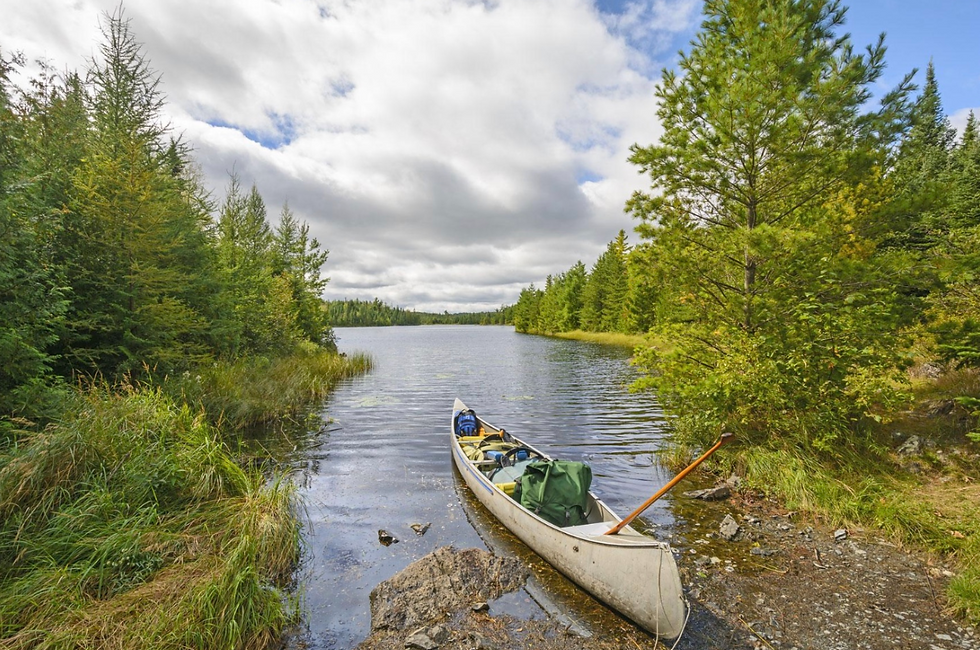
For anglers, this preserved not only access to water, but the identity of fly fishing as a public-land sport.
While access held, economic pressure continued building within the retail sector. Fly shops faced cautious inventory decisions as wholesale costs rose and consumer buying behavior continued to shift.
July 2025
Championships at Home and Gear Reality
The United States hosted the World Youth and Women’s Fly Fishing Championships, highlighting the sport’s next generation and the continued growth of women’s fly fishing on the global stage.

American youth anglers performed strongly on home waters, reinforcing the strength of development programs and grassroots competition in the U.S.
On the gear side, mid-year releases emphasized durability, travel-readiness, and long-term performance over flashy innovation. The market appeared to be rewarding reliability over novelty.
August 2025
Heat Forces the Sport to Adapt
August brought the year’s most immediate challenge to anglers and fish alike.
Hoot-owl restrictions spread across Western rivers earlier and more widely than usual as water temperatures climbed into dangerous ranges for trout.

Afternoon closures became common, and ethical fishing practices moved from recommendation to necessity.
Fly fishing was forced to confront a hard truth: access means little if ecosystems cannot withstand pressure.
September 2025
Culture Shifts and Industry Unease
September saw cultural and industry conversations move into the open.
Simms released a high-profile Grateful Dead collaboration that divided opinion within the fly fishing community. Some embraced the crossover, while others viewed it as a signal of lifestyle branding overtaking technical focus.

At the same time, reports emerged of fly shops quietly reducing or eliminating Simms inventory not as a protest, but as a business decision shaped by margins, customer sentiment, and risk management.
Elsewhere, migration patterns continued shifting. Tarpon appeared farther north than expected, Alaska’s coho runs surged, and steelhead struggles persisted in the Pacific Northwest.
October 2025
Access Law Settles and Restoration Delivers Proof
October brought resolution to one of the most important access battles in recent history.
The U.S. Supreme Court declined to hear an appeal of the corner crossing case, effectively cementing a lower court ruling that allows anglers and hunters to move between public parcels at shared corners without trespassing on private land. While the ruling originated earlier, October marked the moment when its permanence became clear.

At the same time, the Klamath River offered tangible proof of restoration success. One year after dam removal, salmon returned to habitat that had been blocked for generations. Insect populations rebounded, and oxygen levels improved.
The lesson was simple and powerful: removing barriers works.
November 2025
Retail Reality Becomes Visible
By November, retail contraction could no longer be ignored.
Orvis announced the closure of multiple retail locations, reflecting broader challenges facing brick-and-mortar fly fishing stores. High overhead, shifting consumer behavior, and increased reliance on centralized fulfillment forced legacy brands to rethink their physical footprint.

This was not an indictment of fly fishing’s popularity it was a recalibration of how and where anglers interact with brands.
At the same time, major gear announcements and high-profile industry talent moves signaled that innovation was continuing behind the scenes.
December 2025
A Year Comes Into Focus
As the year closed, fly fishing looked different than it had twelve months earlier.
Private equity was no longer theoretical. Public land access had expanded. Retail had contracted. Competition had elevated. Climate pressure had intensified.
And yet, the sport endured.
2025 was not a crisis year. It was a clarifying year.
It forced fly fishing to mature to engage with policy, business, and environmental reality while holding onto the moments on the water that make the sport worth protecting.

What 2025 Left Behind
Fly fishing proved it can handle growth, scrutiny, and change but only if anglers remain engaged beyond the cast.
Access must be defended. Rivers must be protected. Retail must evolve. Brands must remember who they serve.
Fly fishing does not exist in a vacuum anymore.
And that may be the most important lesson of the year.
Casts That Care Charity News exists to document the forces shaping fly fishing and to support the waters, communities, and people that keep the sport alive.
This FREE feature is brought to you by Casts That Care. Casts That Care is the daily fly fishing charity news published by The Fly Box LLC, sharing real stories, conservation updates, and community features that give back to the waters we love.
If you enjoy this piece, you can read over 300 more articles plus new ones every day and subscribe here. Each month we donate 50 percent of all subscriptions to a different fly fishing charity.


Comments