
CES 2026: What the Tech World Unveiled and Why Anglers Should Pay Attention

This FREE feature is brought to you by Casts That Care. Casts That Care is the daily fly fishing charity news published by The Fly Box LLC, sharing real stories, conservation updates, and community features that give back to the waters we love.
If you enjoy this piece, you can read over 300 more articles plus new ones every day and subscribe here. Each month we donate 50 percent of all subscriptions to a different fly fishing charity.

CES 2026 wrapped up last week in Las Vegas, and while the world’s largest consumer technology show did not feature fly rods, waders, or drift boats, it quietly revealed something just as important. The technologies shaping how we live, travel, and communicate are rapidly becoming the same technologies that will shape how we fish.
Every year, CES acts as a preview of what is coming next. The show is less about finished products and more about direction. This year’s direction was clear. Artificial intelligence is becoming embedded in everyday systems. Sensors are getting smaller and smarter. Power is becoming portable and reliable. Connectivity is pushing farther into remote places. All of those trends matter on the water.
This is not about turning fly fishing into a tech sport. It is about understanding which tools will quietly change safety, efficiency, and access, whether we notice them at first or not.
Smarter Boats and Assisted Navigation
One of the most relevant developments at CES 2026 came from the marine world. Brunswick, a major player in boating technology, showcased its expanding suite of intelligent marine systems, including Simrad AutoCaptain. These systems use artificial intelligence to assist with navigation, docking, and situational awareness by accounting for wind, current, and nearby obstacles.

For anglers, this represents a shift that is already underway. Boats are starting to manage more of the boat work. That means less mental load during launches, dockings, and tight conditions. For guides and solo anglers in particular, assisted navigation is less about luxury and more about safety and focus.

While this technology currently lives in higher end marine systems, the trickle down effect is inevitable. What starts offshore often finds its way into smaller platforms and more affordable setups. Over time, assisted navigation could become as normal as GPS and sonar are today.
Wearable AI and Hands Free Information
Another major theme at CES 2026 was wearable artificial intelligence. Several companies introduced smart glasses designed to see, hear, and respond in real time. One of the most talked about examples was the Solos AirGo V2, which combines a camera, voice interaction, and modular batteries in a form designed for all day use.

The fishing implications are subtle but powerful. Hands-free access to information could help anglers identify fish species, review regulations, log conditions, or capture quick notes without stopping to reach for a phone. For beginners, this kind of assistance could shorten learning curves. For guides, it could simplify documentation and content capture.
There is an important balance to maintain here. Fly fishing has always been about presence and focus. The best version of wearable tech is one that stays quiet until it is needed, then disappears again. If done right, it reduces friction rather than adding distraction.
Portable Power as Essential Field Gear
Portable power was everywhere at CES 2026. Companies like EcoFlow, Jackery, Bluetti, and Anker showcased new power stations, chargers, and solar-supported systems designed to move easily between home, vehicle, and field.
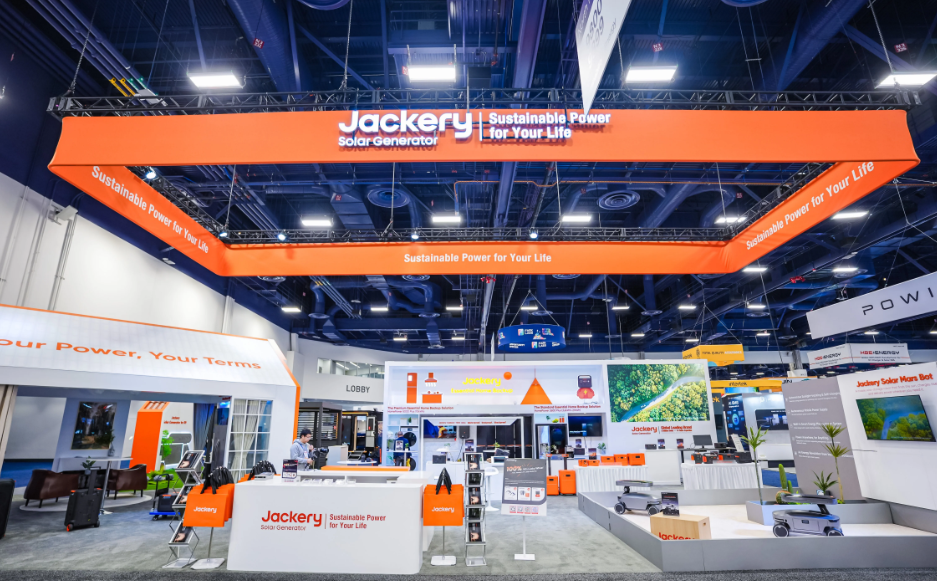
For anglers, this is no longer just camping gear. Reliable portable power changes how long and how comfortably people can stay outside. Phones, cameras, navigation tools, headlamps, and safety devices all depend on electricity. A dead battery can be an inconvenience or a real problem depending on where you are.
Portable power also opens new possibilities. A truck becomes a mobile tying station. A long weekend trip no longer requires rationing device use. Content creators and guides can run lights, charge gear, and stay connected without improvising power solutions.
Satellite Connectivity Moving Closer to the Wrist
One of the quieter but most important developments at CES 2026 involved satellite communication. Companies like Skylo highlighted progress toward direct to device satellite messaging, including wearable integration.

For anglers who fish remote water, this is significant. Many fishing emergencies happen outside cell service. When satellite communication becomes smaller, cheaper, and easier to carry, more people will actually bring it with them. That shift has the potential to improve safety across fly fishing, backcountry angling, and solo trips.
This is the kind of technology you hope you never use. But when conditions change or accidents happen, it can make the difference between inconvenience and rescue.
Sensors and Vision Technology
CES also featured continued advancement in sensor and vision technology. Thermal cameras and low light vision systems appeared in automotive and security products, signaling that these sensors are becoming more affordable and consumer friendly.
While not fishing tools today, the long term relevance is clear. Better visibility in low light conditions could improve safety at launch ramps, during early morning runs, or in fog. As these sensors continue to shrink and drop in cost, they may eventually find their way into marine electronics or wearable safety gear.

What CES 2026 Really Means for Fly Fishing
CES 2026 did not introduce a new fly fishing gadget. What it did introduce are the building blocks that will shape future fishing tools. Artificial intelligence is becoming quieter and more useful. Sensors are expanding what we can see and measure. Power and connectivity are making longer and safer trips possible.
The challenge for fly fishing is not whether this technology will arrive. It is how it is used. The goal should never be to replace skill, intuition, or time on the water. The goal should be to support them.
As these technologies filter into fishing, the best ones will be the ones you barely notice. They will keep you safer, help you stay organized, and fade into the background while the important part of fishing stays exactly the same.
Time on the water. Focus. And the reason we go in the first place.
This FREE feature is brought to you by Casts That Care. Casts That Care is the daily fly fishing charity news published by The Fly Box LLC, sharing real stories, conservation updates, and community features that give back to the waters we love.
If you enjoy this piece, you can read over 300 more articles plus new ones every day and subscribe here. Each month we donate 50 percent of all subscriptions to a different fly fishing charity.


Comments